

The Customer Journey Blueprint: Crafting Trust at Every Step
In the fast-paced and competitive world of business, a brand’s ability to build trust and nurture relationships determines its longevity. Each interaction, from the first time a customer encounters your brand to their decision to advocate for you, is a critical opportunity.
The reality? Many businesses overly focus on immediate sales, missing out on the profound value of touchpoints before and after a transaction. This blog outlines the five essential stages of the customer journey, illustrating how thoughtful engagement at each phase transforms casual buyers into loyal advocates.

Why the Customer Journey is a Blueprint for Growth
A well-structured customer journey doesn’t just drive sales—it cultivates relationships. Today’s customers expect consistency, authenticity, and value at every stage. Brands that master this journey create lasting impressions, setting themselves apart in a crowded market.
The Gadin Group Principle: Balancing Immediate Wins with Long-Term Strategy Leveraging the 95:5 Rule, successful brands focus on visibility and trust-building, ensuring they stay top-of-mind for future buyers while converting those ready to act now. This strategic balance is the foundation of a thriving customer journey.
The Five Stages of the Customer Journey
1. Awareness: Capturing Attention with Purpose
The journey starts with visibility, where a potential customer becomes aware of your brand for the first time. This isn’t about shouting the loudest; it’s about resonating with the right audience. Think of this stage as planting seeds in fertile ground—you’re not selling yet, just introducing your brand in a way that aligns with the values and needs of your target audience. Simple, engaging messages like social media posts, blog articles, or local partnerships can create that vital first impression. For someone interacting with customers or crafting communications, remember that every piece of content, every smile at the counter, and every interaction is part of this crucial introduction.
How to Excel:
- Embrace Storytelling: Share authentic narratives that highlight your mission and values.
- Stand Out with Clarity: Craft a clear, compelling value proposition to cut through the noise.
- Actionable Insight: Leverage strategic content like blogs and social media posts to ensure relevance to your target audience.
Pro Tip: Create awareness-driven content that resonates with the 95% of your audience not yet in the buying cycle. Think engaging videos, helpful infographics, or impactful thought leadership pieces.

2. Onboarding: Building Confidence and Clarity

After a customer takes that first step, how you welcome and guide them sets the tone for your relationship. Think of onboarding as walking someone through a new home they’ve just stepped into—it needs to feel comfortable, clear, and promising. Your goal is to make them feel confident they made the right choice. Whether through tailored welcome emails, helpful guides, or simply checking in to ensure they’re getting value, this phase is about reducing confusion and building trust. In daily tasks, this means being proactive and attentive, ensuring that new customers never feel lost or forgotten.
How to Excel:
- Personalize the Experience: Use customer data to tailor welcome messages and initial interactions.
- Provide Simple, Actionable Resources: Ensure your guides, tutorials, or welcome emails are easy to understand and directly address the customer’s needs.
Quick Fact: Businesses that prioritize seamless onboarding see higher retention rates, with satisfied customers 80% more likely to return.
3. Engagement: Keeping Your Brand Top-of-Mind
Engagement is where you nurture relationships by consistently delivering value. It’s not enough to show up once; you need to stay present in ways that matter to your customers. Think of it as regularly tending a garden—watering the soil with educational resources, sprinkling inspiration through social media, and ensuring the environment feels welcoming through personalized interactions. Engagement can be as simple as sending a friendly follow-up email, highlighting a success story, or sharing a tip your customers will find useful. The key is to be relevant and dependable, so your customers know you’re always there when they need you
How to Excel:
- Deliver Exclusive Value: Offer VIP content, early access to products, or member-only perks.
- Leverage Personalization: Use data insights to create offers and communications that feel tailored to individual preferences.
Reflection Exercise: Ask yourself, “What are we doing today to make our customers feel seen and valued?”

4. Retention: Reducing Churn Through Proactive Care
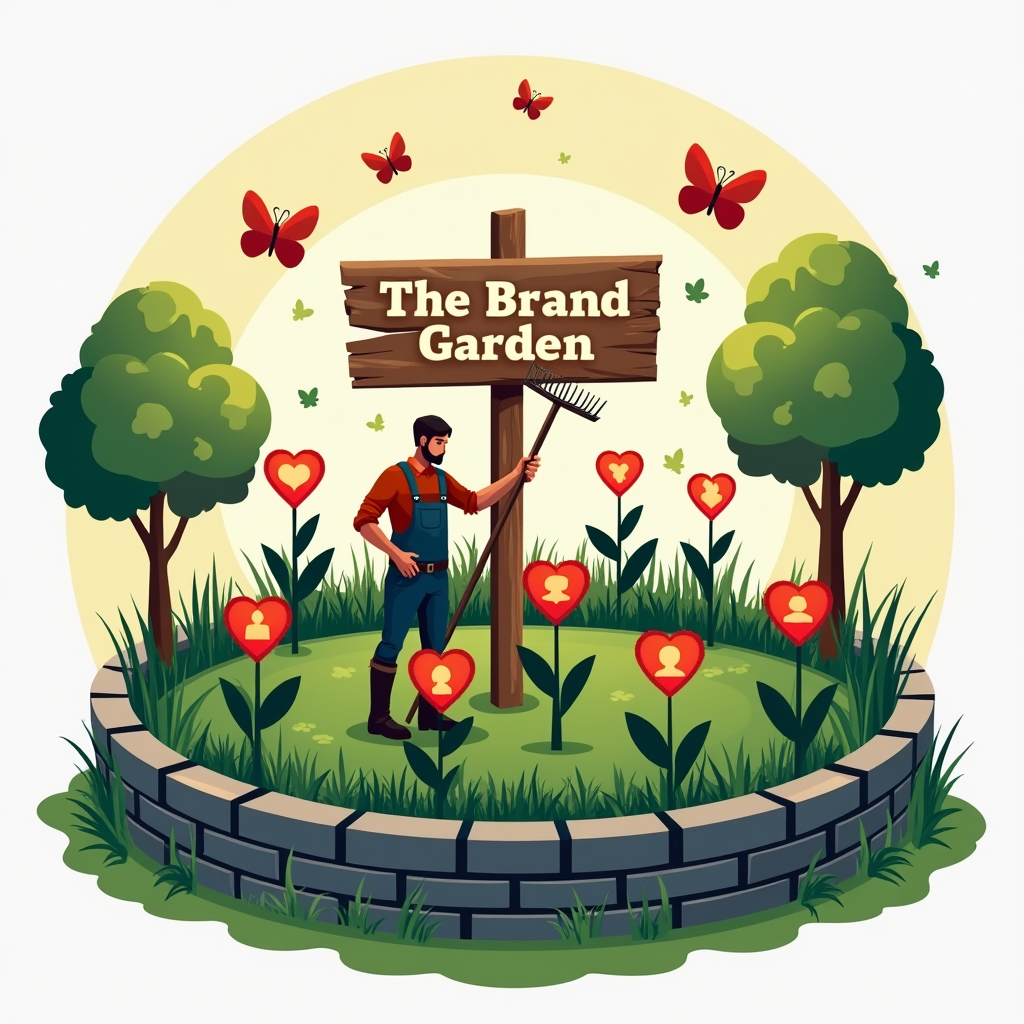
Retention is about showing your existing customers that they matter—not just when they make a purchase, but every day in between. Consider this stage as maintaining a cherished friendship; it takes effort, communication, and understanding. Simple acts like anticipating customer needs, celebrating milestones, or providing personalized solutions can go a long way. Whether it’s sending a thoughtful thank-you message or quickly resolving a concern, every interaction should reinforce your commitment to their success and happiness. Remember, retaining customers is more than keeping them around—it’s about building loyalty so they choose you again and again.
How to Excel:
- Monitor Customer Health: Use analytics to predict churn and take preventative actions.
- Proactively Communicate: Celebrate milestones or send reminders that demonstrate your ongoing commitment.
Example: A local bakery sends loyal customers personalized birthday discounts, reinforcing emotional connections while driving repeat purchases.
5. Satisfaction: Creating Brand Advocates
When customers are delighted by their experiences, they naturally want to share it. This stage is like creating fans who cheer for your brand—not because you asked them to, but because they genuinely want to. The secret lies in exceeding expectations and creating moments that leave a lasting impact. Maybe it’s surprising them with an unexpected perk, following up after a purchase to ensure satisfaction, or simply listening to and acting on their feedback. Advocacy happens when customers feel valued and empowered to share their experiences, turning them into your most powerful promoters. Every touchpoint you create has the potential to build this kind of enthusiasm and trust.
How to Excel:
- Celebrate Achievements Together: Recognize customer milestones with rewards or shoutouts.
- Encourage Stories: Invite your customers to share testimonials or success stories, turning their experiences into a trust-building tool.
Pro Tip: Advocacy doesn’t just happen—it’s cultivated. Brands that listen, respond, and improve based on customer feedback build lasting loyalty.

Putting It All Together
When the customer journey is optimized, every stage works in harmony to deepen trust and amplify loyalty. Here’s how to ensure success at every phase:
- Awareness: Make a memorable first impression with clarity and authenticity.
- Onboarding: Build confidence with seamless, personalized experiences.
- Engagement: Stay relevant through consistent value delivery.
- Retention: Foster loyalty with proactive communication and care.
- Satisfaction: Exceed expectations to inspire advocacy.
Take Action Today: Map out your customer journey. Identify strengths and gaps in your current touchpoints, and implement strategies to strengthen each stage.
Every touchpoint matters. Make them count.

