

The Power of Personalization: Building Customer Relationships
What draws you to one brand over another? Is it the price, the convenience, or something more personal—like the way they seem to understand you? In a world where generic messaging is the norm, personalization is what sets exceptional businesses apart.
When companies take the time to go beyond the basics and create experiences that feel tailored, they’re not just winning sales—they’re winning loyalty. Let’s explore how you can use personalization to create stronger connections and make your customers feel truly valued.
Why Personalization Matters
Think about a time when a brand made you feel special. Maybe it was a thoughtful thank-you note, a recommendation that was spot-on, or a small gesture like remembering your birthday. Those moments stick with you, don’t they? They’re more than good customer service—they’re the foundation of loyalty.
Research shows that customers are 80% more likely to buy from a business that offers personalized experiences. This isn’t about elaborate tech solutions—it’s about making people feel seen and appreciated.
One thing to keep in mind: personalization isn’t a one-time effort. It’s a way of thinking about how you engage with your customers, every step of the way.

How to Make Personalization Work for Your Business
Personalization doesn’t have to be complicated or expensive. These strategies will help you create meaningful, memorable experiences that build trust and loyalty.
Get to Know Your Customers
The starting point for any personalization strategy is understanding who your customers are and what matters to them. That means gathering insights and finding ways to act on them in meaningful ways.
Here’s how you can start:
- Ask questions: Use surveys or onboarding forms to learn about your customers’ preferences, favorite products, or preferred ways to communicate.
- Track behavior: Pay attention to what your customers buy, browse, or inquire about to identify patterns.
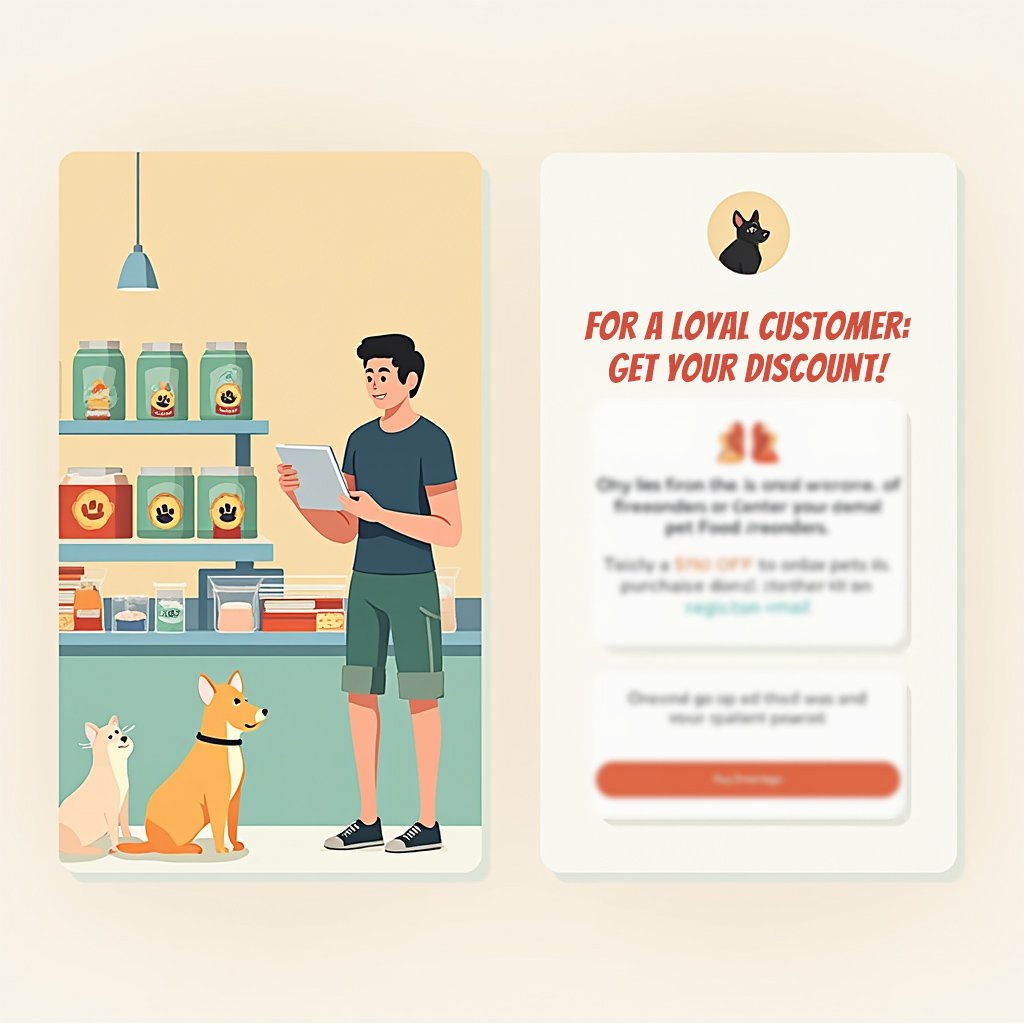
For instance, a small pet supply store could keep track of a customer’s purchases and notice when their pet food might be running low. A quick email reminding them to reorder—perhaps even with a discount—shows you’re paying attention and thinking ahead.
The key takeaway: Customers don’t expect you to be perfect—they just want to know you care enough to notice.
Create Experiences That Feel Thoughtful
Once you’ve learned about your customers, use what you know to make their experiences with your business feel personal. It’s not about grand gestures; it’s about thoughtful, intentional actions.
- Send product recommendations based on a customer’s past purchases or browsing history.
- Celebrate milestones like birthdays or anniversaries with a small perk, such as a discount or free item.
A local bookstore, for example, could send a personalized note to a customer who frequently buys mystery novels, letting them know about new arrivals in that genre. A simple message like, “We thought you’d enjoy these,” can make a big impact.
Stay One Step Ahead
The best personalization happens when you anticipate a customer’s needs before they even realize they have them. Being proactive shows you’re not just interested in selling but in making their lives easier.
- Use data to predict patterns and anticipate what your customers might need.
- Offer proactive solutions that address common challenges.
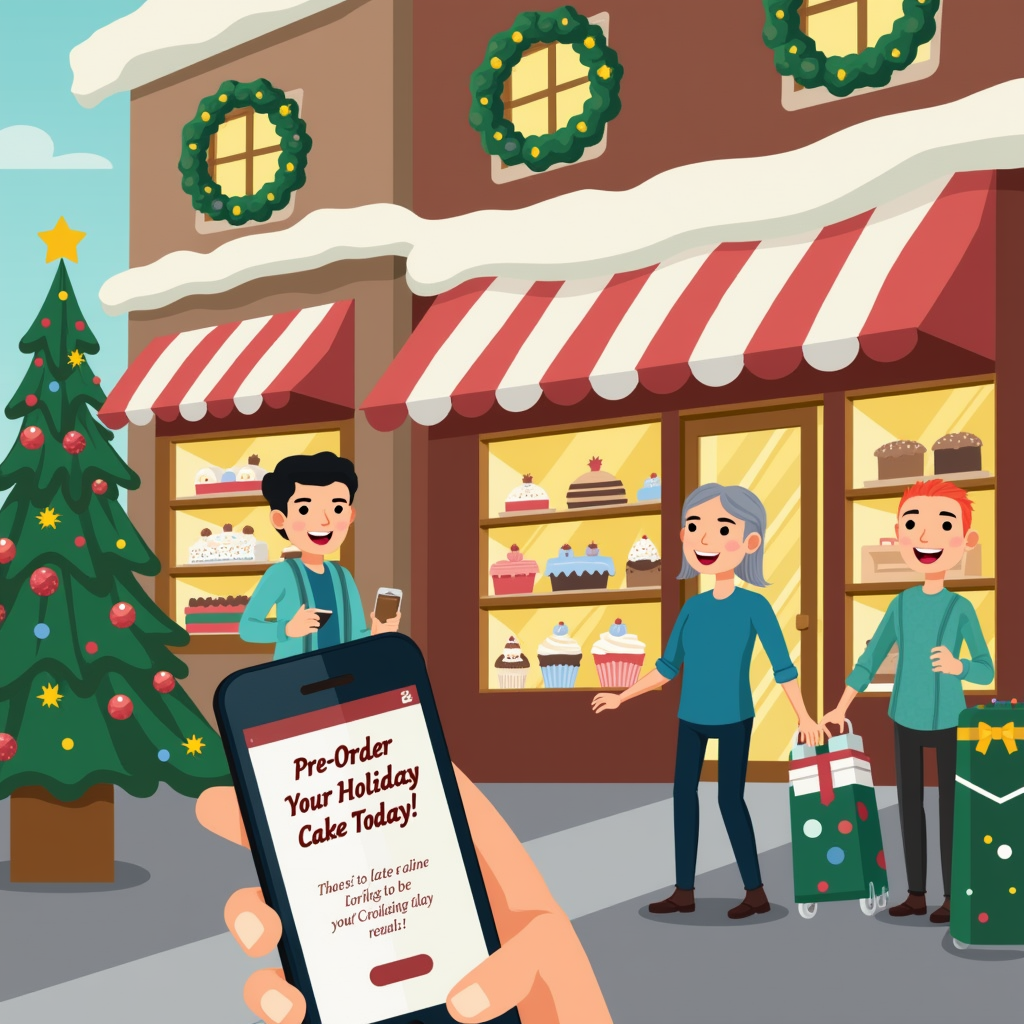
For instance, a small bakery could track seasonal trends and notice that cake orders increase around major holidays. Sending an early email with a message like, “Reserve your holiday dessert now!” not only helps customers plan ahead but also positions your business as a reliable partner in their celebrations.
Why does this matter? Anticipating needs isn’t just convenient—it builds trust. When customers feel like you’re looking out for them, they’ll keep coming back.
If you’re working with limited resources, don’t worry. Personalization doesn’t have to cost a lot. Even with a tight budget, you can add a personal touch that makes a difference.

Personalization on a Budget
You don’t need a huge budget to make your customers feel valued. By focusing on creativity and genuine care, you can deliver personalized experiences that leave a lasting impression.
Here are some ideas
- Write handwritten thank-you notes for purchases. A quick “Thanks for choosing us!” goes a long way.
- Use free or affordable tools to send personalized emails based on customer preferences
- Celebrate birthdays or purchase anniversaries with small perks like a discount or free item.
- Teach your team to remember regulars’ names and preferences—it’s a simple, no-cost way to make every visit feel special.
These small efforts show your customers that they’re more than just another transaction.
No matter your budget, personalization is about building real connections. Now let’s explore how you can make personalization part of every stage of the customer journey
Making Personalization Part of the Customer Journey
Personalization works best when it’s woven into the entire customer experience. Here’s how you can make it part of each stage:
- Awareness: Tailor your messaging to speak directly to the challenges your audience faces.
- Onboarding: Make new customers feel welcome by personalizing their first interaction with you.
- Engagement: Keep customers interested with curated updates, offers, or recommendations that align with their preferences.
- Retention: Celebrate their milestones and show appreciation for their loyalty.
- Satisfaction: Reward repeat customers with thoughtful gestures or exclusive perks.
Each stage offers a chance to deepen your connection with your customers.
Building Relationships That Last
At its heart, personalization is about relationships. It’s not about complicated tools or big budgets—it’s about showing people you value them as individuals. When you make the effort to understand your customers, create thoughtful experiences, and anticipate their needs, you’re building more than a customer base—you’re creating a community of loyal advocates.
Start small and keep it simple. Focus on one or two strategies to personalize your interactions, and see how your customers respond. Personalization doesn’t have to be perfect—it just has to be meaningful.
By putting your customers first and making their experience special, you’ll not only earn their loyalty—you’ll earn their trust. And in the end, that’s what turns a good business into a great one.

