

Boost Brand Recall: Strategies to Stay Top of Mind
How to align branding strategies with buyer behavior.
The Fractured Reality of Branding: What Every Business Leader Needs to Understand about Brand Recall.
The Disconnect Between Metrics and Perception
How buyers perceive your brand doesn’t always match what the numbers in your marketing dashboard suggest. Imagine a client choosing your service despite zero recorded marketing interactions or an account that seemed to go cold suddenly resurfaces as a major lead. This doesn’t mean your team has failed; rather, it’s a testament to how brands live in fragmented impressions in buyers’ minds, not just in neatly tracked data points.
Too often, we lean on metrics like clicks, impressions, and conversions to gauge success. These numbers offer a snapshot but rarely capture the full journey. Think about it: how many times have you recommended a service based on a friend’s comment or a compelling story you read months ago? Buyers make decisions influenced by these unseen connections.

Why Metrics Fall Short
Numbers can only tell us part of the story. To understand the full picture of branding, we need to look beyond what’s quantifiable and explore the subtle, human factors that influence decision-making. Metrics are useful, but they don’t account for the emotional and relational components of trust.
- Incomplete Storytelling: Metrics provide only a fraction of the picture, ignoring the subtle yet powerful experiences that shape buyer trust. Consider how many critical moments—like a colleague’s recommendation or an inspiring keynote—go unmeasured.
- Invisible Influences: Buyers often make decisions based on offhand recommendations, memorable blog posts from months ago, or a compelling webinar that lingers in their minds; experiences that are never recorded in a dashboard.
- Fragmented Brand Recall: Branding isn’t linear; it’s a mosaic of touchpoints, impressions, and memories that unfold over time.
This is why it’s essential to build a brand that resonates on multiple levels and stays memorable long after a single interaction.
A New Approach to Branding
If traditional metrics paint an incomplete picture, then what’s the alternative? The answer lies in creating mental availability—ensuring your brand occupies a meaningful place in buyers’ minds when they need a solution. This requires a shift from short-term wins to long-term resilience.
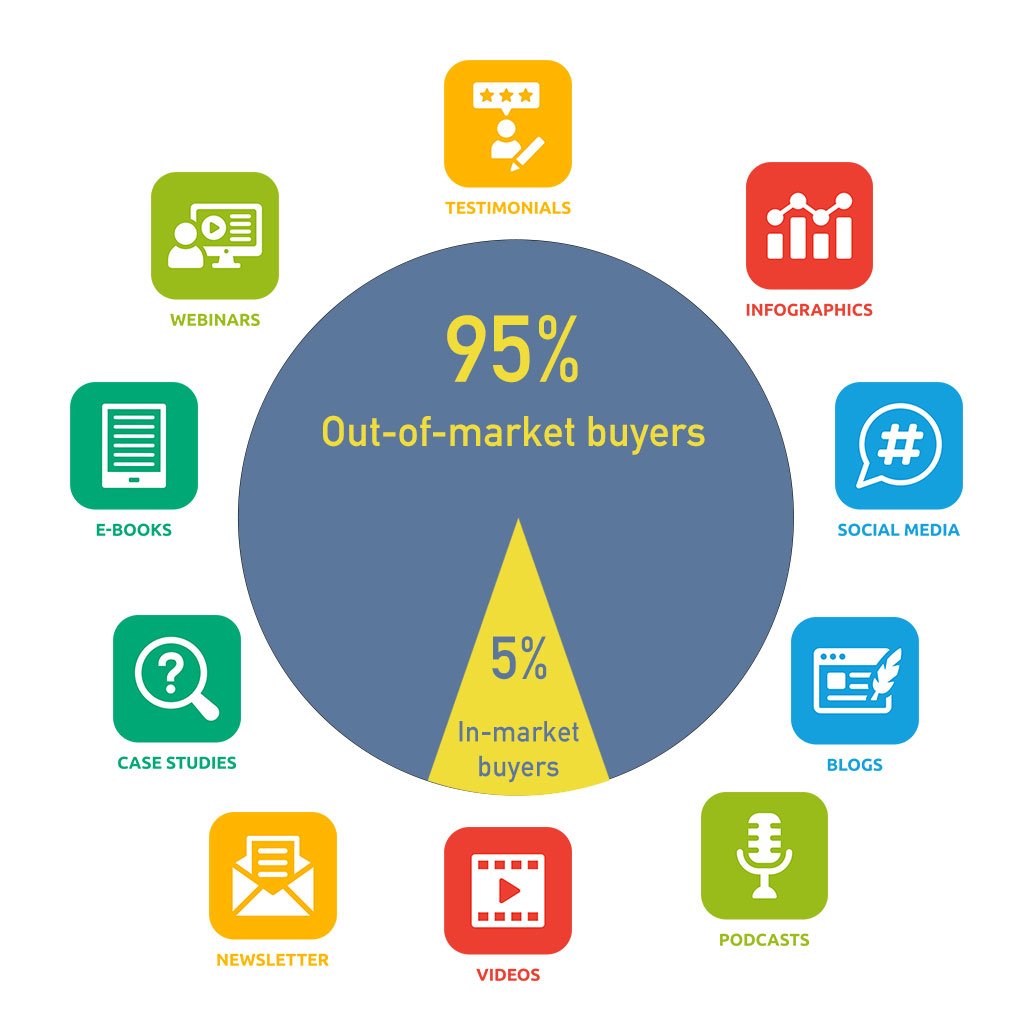
The 95:5 Rule
To prioritize mental availability, it’s important to understand how buyers exist in two broad categories:
- 5% In-Market Buyers: These buyers are actively searching for a solution and represent immediate opportunities. Marketing to them requires sharp, compelling offers that solve their current problems.
- 95% Out-of-Market Buyers: These buyers aren’t ready to purchase now but will in the future. Nurturing this group through consistent visibility and meaningful content ensures they think of you first when their needs arise.
- Strategic Approach: Position your brand to be familiar and trusted before buyers are ready to make a purchase.
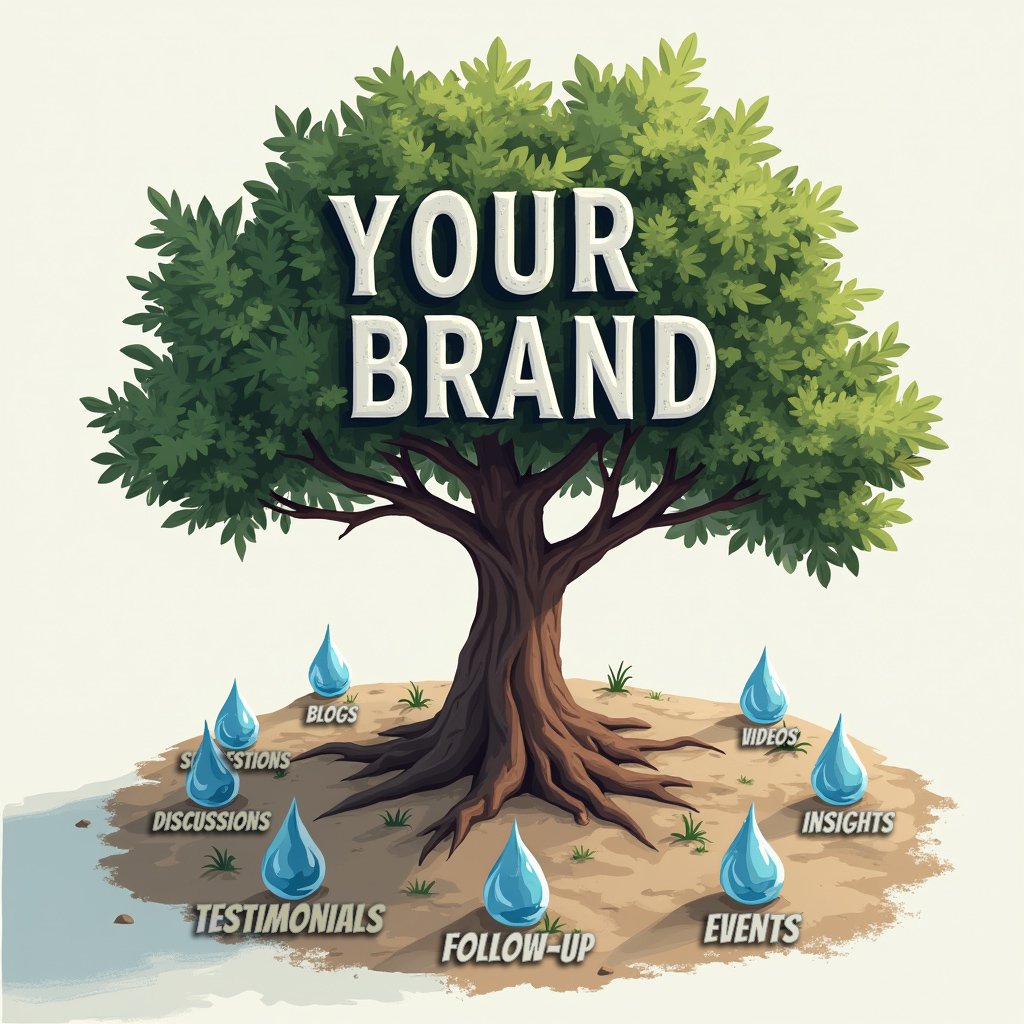
Think of it as planting seeds—consistent efforts to nurture relationships with the 95% will yield a sustainable harvest when those buyers enter the market.
Examples of Effective Brand Building
Small, meaningful actions can leave a lasting impression. Here are two examples of how businesses have cultivated long-term brand awareness:
- Boutique Gym: Sharing actionable fitness tips and hosting free community events not only provide value to the audience but also position the gym as a trusted source for wellness, ensuring it’s top-of-mind when people are ready to commit to a fitness routine.
- Specialty Bookstore: Organizing engaging events like author meet-and-greets or creative reading challenges fosters loyalty, making the bookstore a go-to destination for both readers and community members.
These efforts are about creating an emotional connection with the audience that transcends transactions.
Building Memory Triggers
Brands thrive when they’re top of mind in key moments. The secret lies in creating triggers that remind buyers of your value exactly when they need it.
Small Business Example
Imagine a family-owned hardware store in a growing town. By hosting seasonal DIY workshops and posting practical maintenance tips on social media, they position themselves as a community partner. When homeowners need tools or advice, the store becomes the obvious choice. These triggers create trust, making buyers associate the store with reliability and expertise.
Moving Beyond Short-Term Thinking
While heavy discounts and pay-per-click ads feel rewarding, they can erode long-term brand value and harm buyer relationships. Instead, focus on creating consistent, meaningful interactions.
Common Pitfalls of Short-Term Tactics
Before leaning on transactional strategies, consider their impact on your brand:
- Damaging Brand Quality: Overusing discounts can cheapen your brand’s image, leading buyers to view you as a budget option rather than a trusted partner.
- Ignoring Relationship Building: Transaction-focused approaches often miss the opportunity to foster loyalty and repeat business.
- Missing Secondary Influencers: Buyer decisions are shaped by social proof and recommendations, which these tactics can’t adequately address.
Shifting your focus to relationship-building ensures your brand has staying power.
A Framework for Fragmented Branding Strategies
To navigate the complexities of modern branding, focus on a balanced and multifaceted strategy.
1. Prioritize Consistency
Consistency isn’t just about repetition—it’s about making your message easy to understand and trust. A cohesive brand builds confidence in buyers and keeps them engaged.
- Streamline Messaging: Simplify your brand story to avoid confusing potential buyers.
- Example: A personal trainer uses a motivational tone across Instagram reels, client emails, and workshops to build trust.
2. Invest in Storytelling
Stories are the bridge between logic and emotion. They resonate more deeply than facts or figures ever could.
- Create Emotional Connections: Narratives resonate far more than generic advertisements.
- Example: A local winery sharing harvest stories highlights their artisanal quality and builds loyalty.
3. Balance Campaigns
A successful strategy balances the immediate need to convert leads with the long-term goal of building mental availability.
- Short-Term vs. Long-Term: Dedicate part of your budget to immediate ROI and part to building brand equity.
- Example: A neighborhood toy store uses holiday ads for immediate sales but runs year-round campaigns promoting the importance of play.
4. Leverage Unexpected Channels
Buyers love authentic, surprising interactions. Find creative ways to meet your audience where they are.
- Engage Authentically: Look for unique opportunities to connect, such as guest blogging or webinars.
- Example: A home renovation company sharing renovation tips in local Facebook groups builds recognition and credibility.
A brand is not a linear path but a mosaic of touchpoints, memories, and impressions scattered across time.
Turning Recognition into Advocacy
Recognition is only the beginning. True brand strength lies in turning satisfied customers into enthusiastic advocates who amplify your reach through their experiences.
Action Steps
- Solicit Testimonials: Actively request reviews or success stories from happy customers.
- Showcase Stories: Share these testimonials widely across your website, social media, and marketing materials.
- Example: A yoga studio regularly features member transformations to highlight the life-changing benefits of its classes.
Conclusion: Branding as a Mosaic of Trust
Branding isn’t a straight line; it’s a mosaic—a collection of meaningful touchpoints that build trust and connection over time. Each interaction, whether a workshop, a blog post, or a friendly chat, adds to the bigger picture.
The key is to embrace this complexity. Focus on nurturing relationships, delivering consistent value, and creating triggers that keep your brand top of mind. By doing so, you’ll cultivate not just recognition, but loyalty and advocacy.
Reflect on how your brand is perceived beyond the metrics. Identify one or two strategies to strengthen long-term engagement—whether it’s hosting a community event, investing in storytelling, or refining your messaging. Small, thoughtful actions today can lay the foundation for a resilient brand tomorrow. Trust the process, stay consistent, and watch as your efforts come together to form a lasting legacy.

